 +44 20 8954 9881
 WF Planner
  WhatsApp
  Instagram
  OneID By WF
  WF Apps incl. Tafsir Tadabbur
  Donate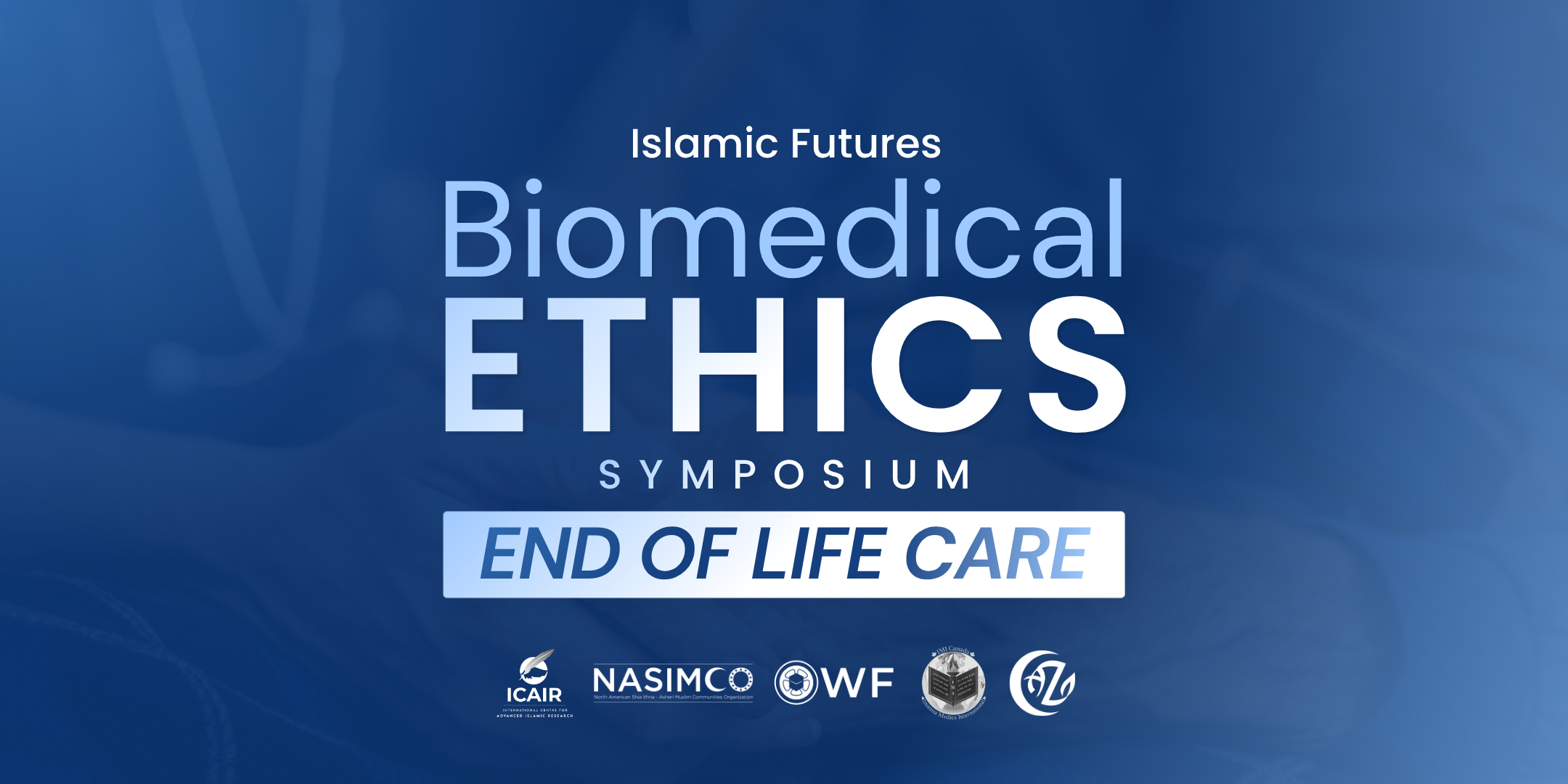
Community Forum Explores Islamic Perspectives on End-of-Life Care in Vancouver
The International Centre for Advanced Islamic Research (ICAIR), in collaboration with IMI Canada, NASIMCO, and Az-Zahraa Islamic Centre, hosted a public panel discussion and community forum titled Dying an Islamic Death in 2026: The Biomedical Ethics of End-of-Life Care on Friday 3 July 2026 in Vancouver.
The event brought together Islamic scholars, clinicians, and members of the wider community to examine the ethical and jurisprudential questions surrounding end-of-life care in the context of contemporary medicine. With advances in healthcare presenting increasingly complex decisions for patients and families, the forum sought to explore these issues through both Islamic legal principles and clinical experience.
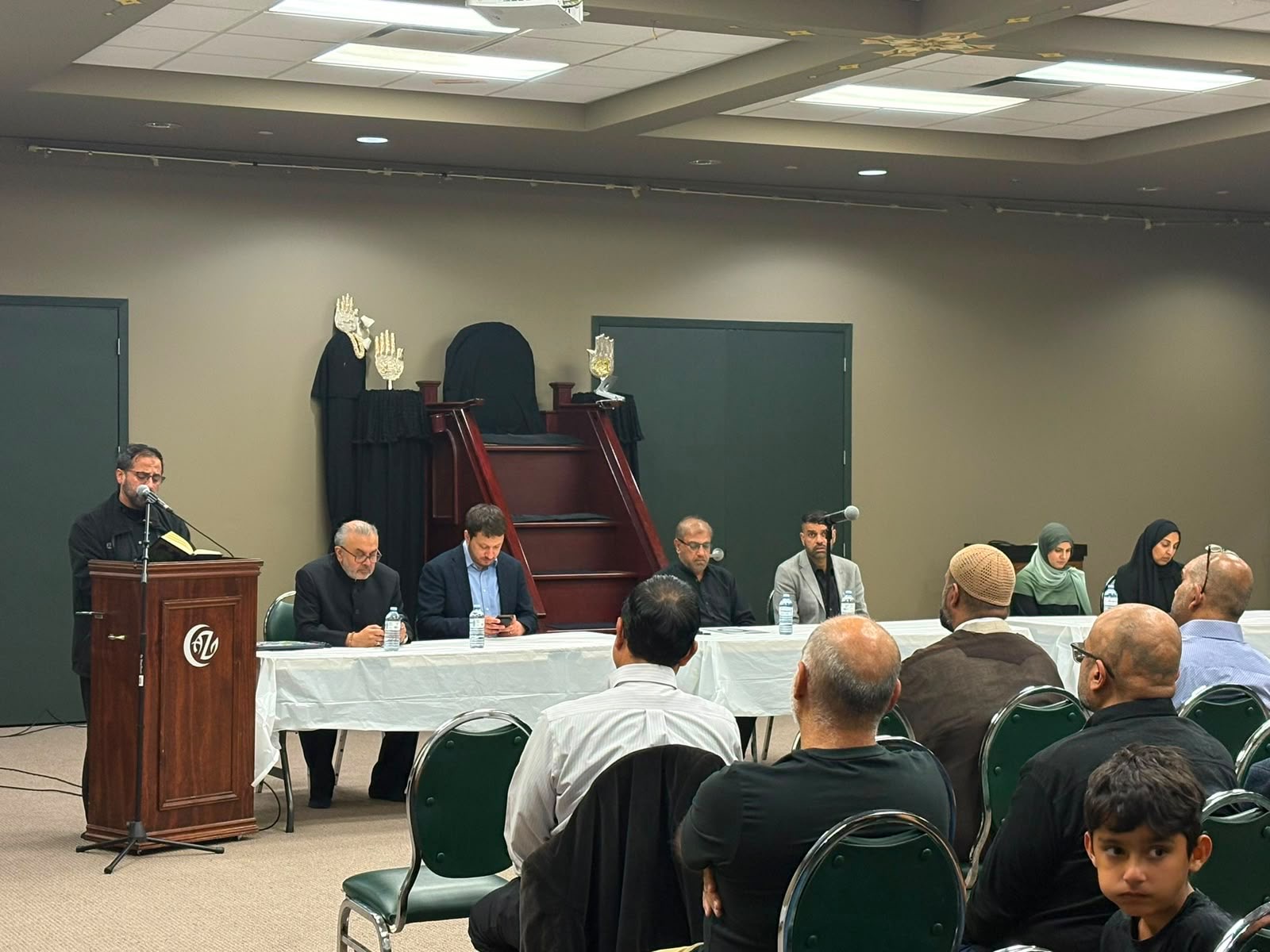
Following a community dinner, the evening opened with introductory remarks by Shaykh Alexander Khaleeli (Head of ICAIR), Abbas Bandali (President of NASIMCO), and Dr Akber Mithani (President of IMI Canada), who highlighted the importance of informed engagement with emerging biomedical challenges facing Muslim communities.
The first presentation, delivered jointly by Dr Sabira Kanani and Dr Akber Mithani, provided a practical overview of end-of-life decision-making in modern healthcare. The session introduced key medical concepts—including cardiopulmonary resuscitation (CPR), do-not-resuscitate (DNR) orders, and the withholding and withdrawal of life-sustaining treatment—establishing the clinical framework necessary for the discussions that followed.
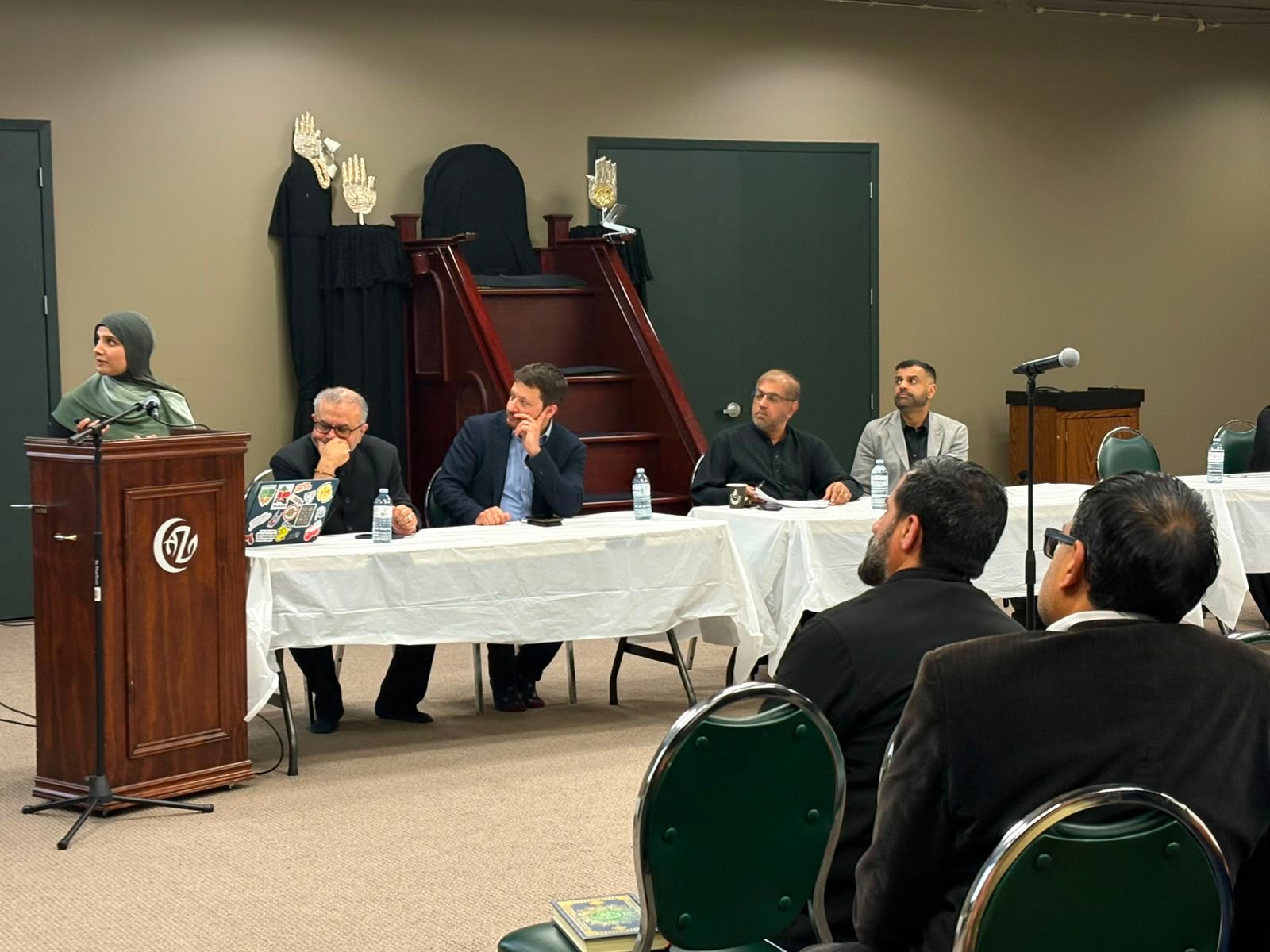
Dr Syed Nasir Zaidi then addressed the spiritual dimensions of end-of-life care, reflecting on the role of faith, pastoral support, and the religious needs of patients and families during the final stages of life.
The evening concluded with an extended panel discussion and open forum featuring the presenters alongside Dr Iqbal Jaffer and Sister Sabiha Bandali. Attendees engaged directly with the panel, raising questions on a range of contemporary issues, including medical assistance in dying (MAID), ethical decision-making, family responsibilities, and the application of Islamic jurisprudence to complex clinical scenarios.
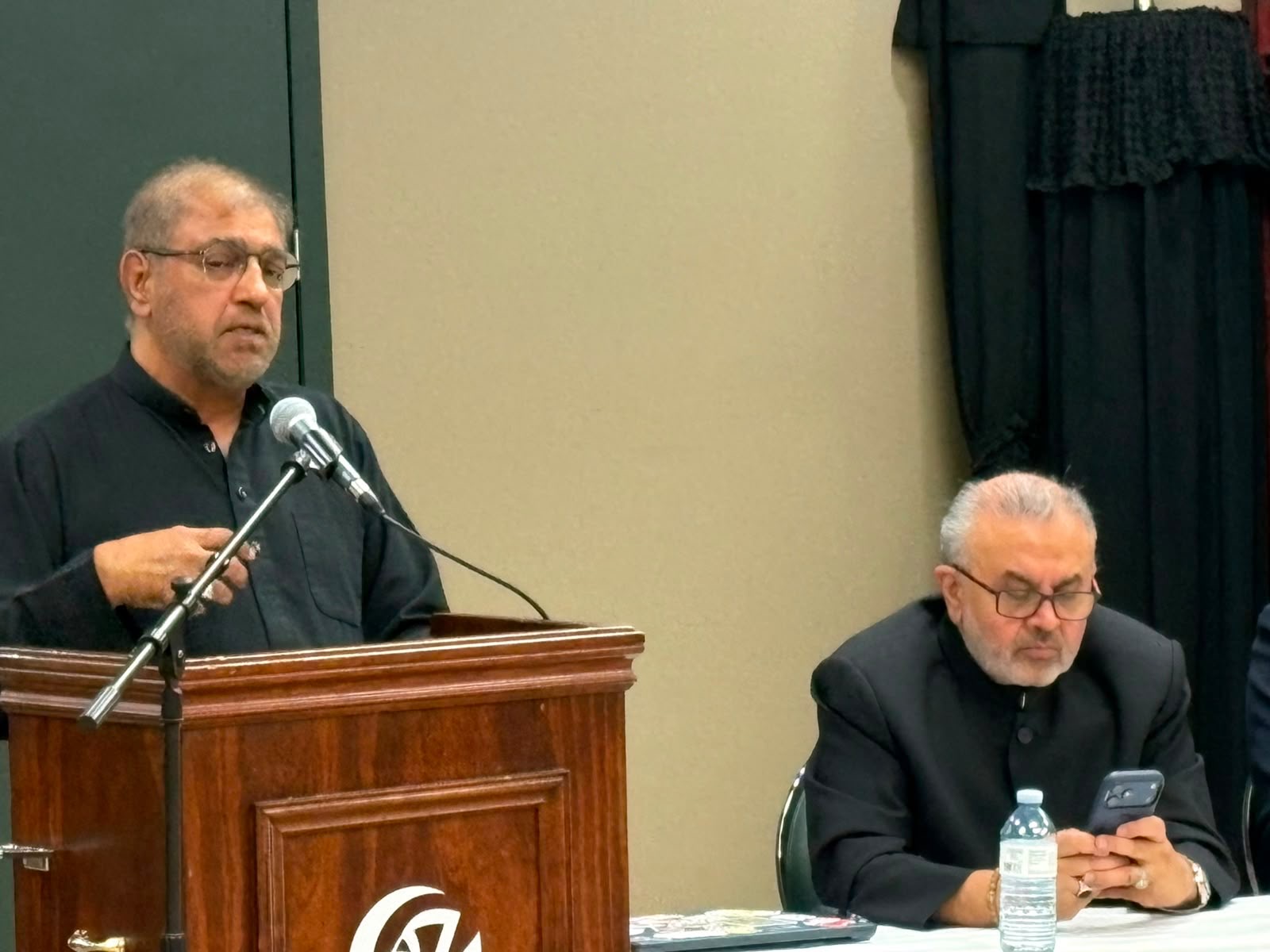
The event formed part of ICAIR’s Islamic Futures programme, which seeks to foster meaningful dialogue between Islamic scholarship and contemporary professional disciplines. By bringing together juristic expertise, medical knowledge, and community engagement, the forum highlighted the importance of developing informed Islamic responses to some of the most pressing ethical questions of modern healthcare.
The evening concluded with congregational Maghrib prayers, marking the close of a thoughtful and well-attended community discussion.