 +44 20 8954 9881
 WF Planner
  WhatsApp
  Instagram
  OneID By WF
  WF Apps incl. Tafsir Tadabbur
  Donate


The 8th Khoja Heritage Tour successfully brought together participants from across the world for an enriching journey through India’s historic Khoja heritage sites. Organised under The World Federation’s Khoja Heritage Project (KHP), the tour offered a unique opportunity to reconnect with the religious, cultural, and historical legacy of the Khoja Shia Ithna-Asheri community.
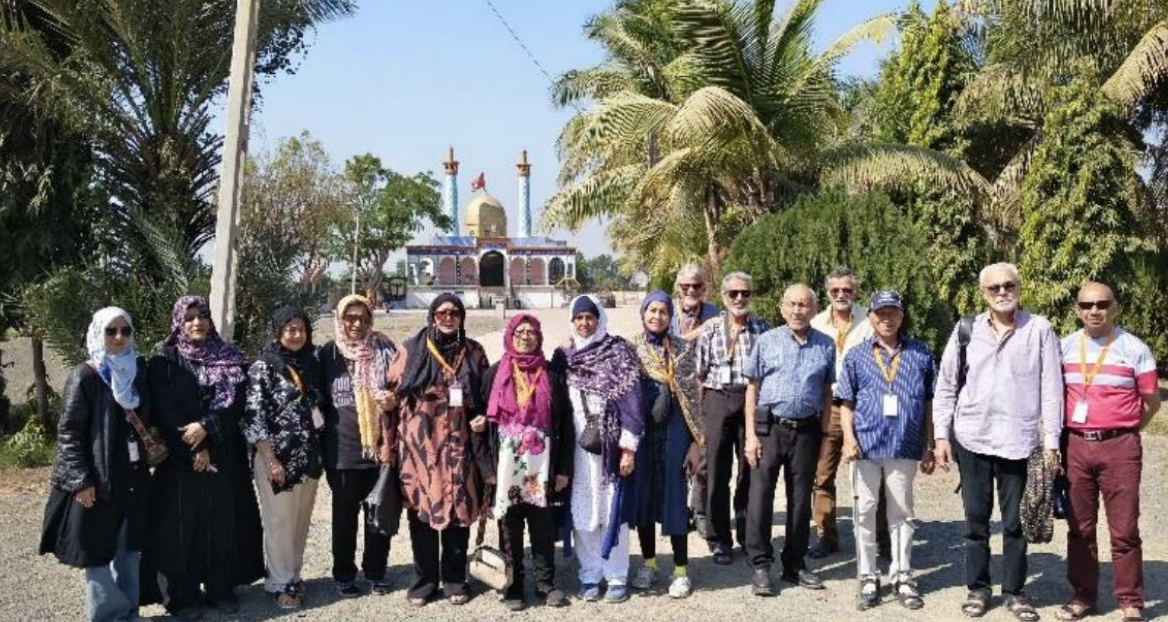
Over 15 days, participants travelled across multiple cities, visiting historic Mosques, Kabrastans, heritage landmarks, and community centres. Along the way, they engaged with local Jamaats, historians, and community leaders, gaining deeper insights into the lives, sacrifices, and contributions of earlier generations.
From the bustling heritage streets of Mumbai to the historic towns of Kutch, Jamnagar, Bhavnagar, and Ahmedabad, the journey provided moments of reflection, learning, and meaningful connection. The tour not only celebrated the legacy of the community’s pioneers but also strengthened the bonds among participants who shared this unique experience together.
Read on to discover more about this remarkable journey.
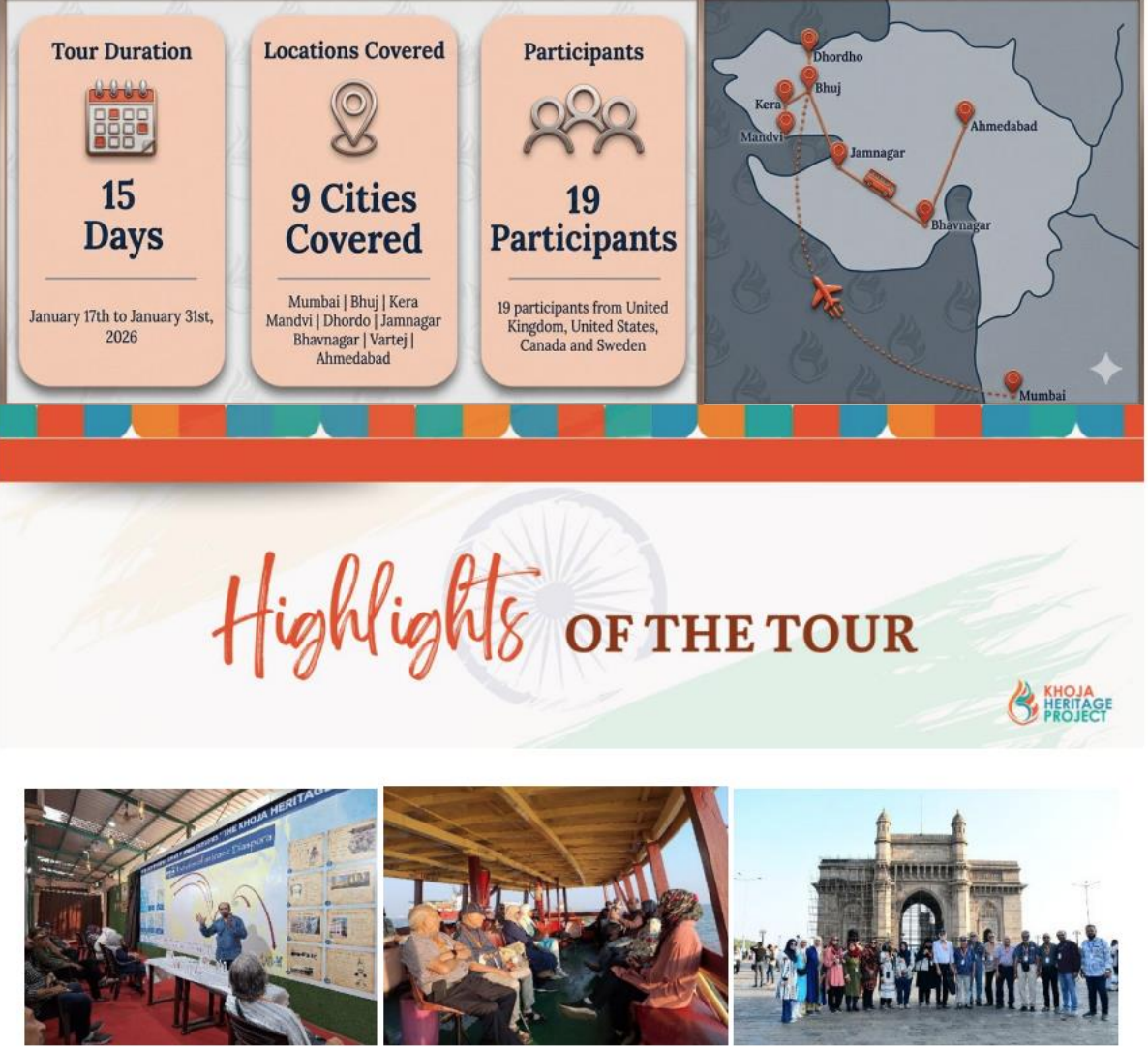
Mumbai (17-19 January): The tour began in Mumbai with a welcome dinner and an opening ceremony at the historic Mulla Qadir Hussain Mehfil in Dongri. Participants explored Khoja Mohalla, visited the Khoja Kabrastan at Aarambaug, and reflected on the legacy of early Khoja pioneers. Sightseeing included Mani Bhavan, the iconic Gateway of India and a boat ride into the sunset.
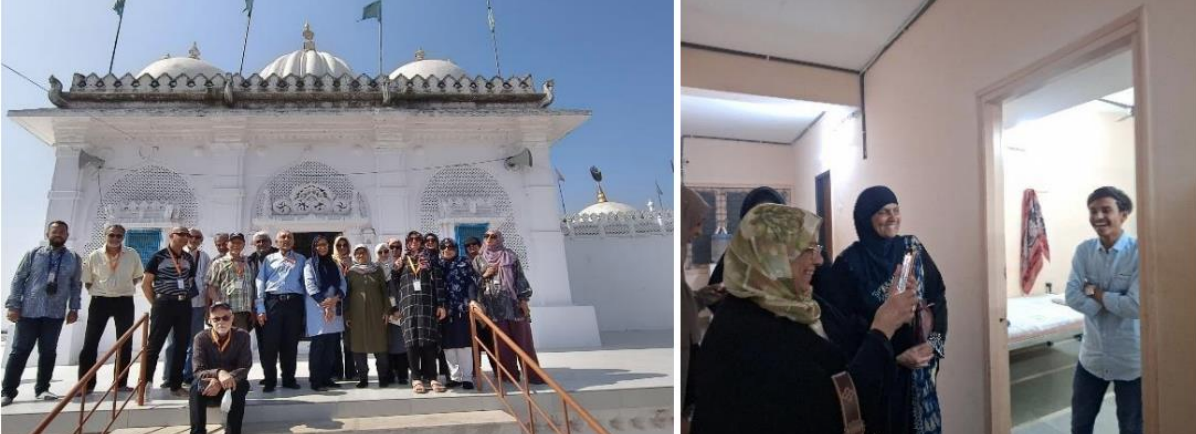
Bhuj (20 January): In Kutch, participants visited the Dargahs of Peer Tajdin and Peer Ghulam Ali Shah, along with historic mosques and community institutions. Participants also visited Tohid Boys Hostel, where they spent time with the students and shared a delightful seafood dinner.
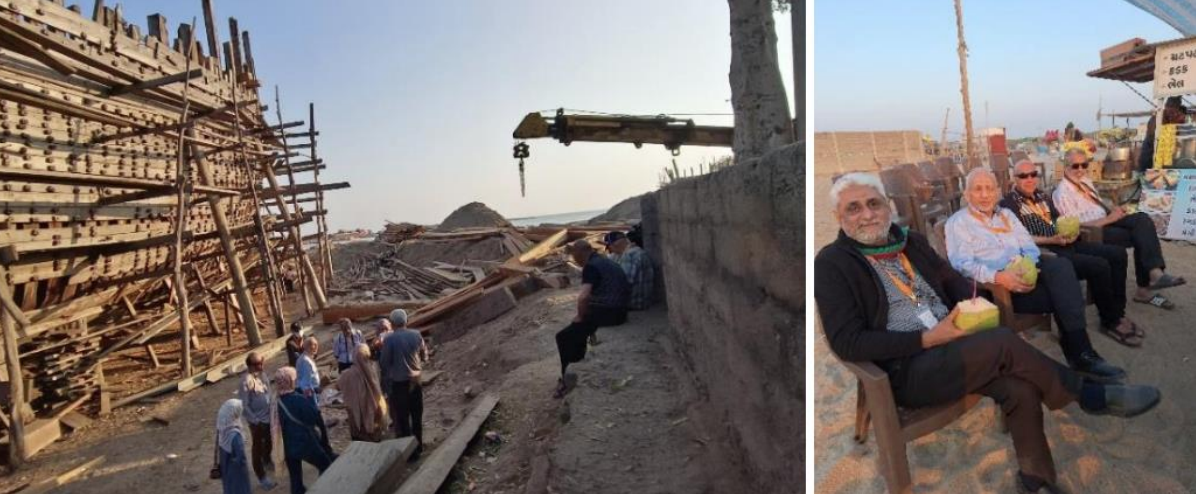
Mandvi & Kera (21 January): The group visited the shipbuilding yards of Mandvi, explored Kera’s historic sites, and enjoyed a beachside sunset at Mandvi Beach.
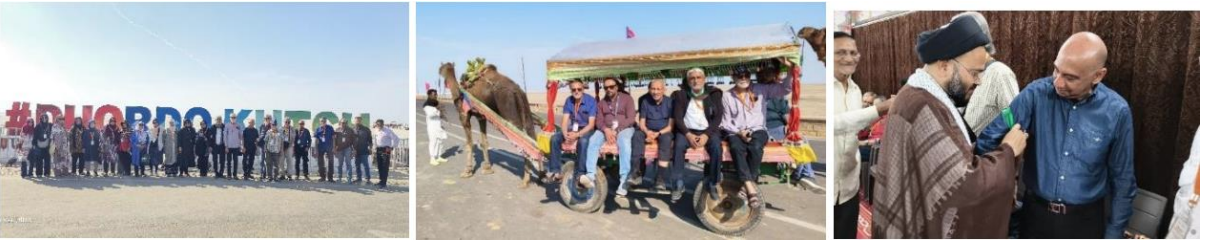
Rann of Kutch (22 January): A visit to the Kutch Museum offered valuable historical insights, followed by an unforgettable experience at the Rann of Kutch, where participants enjoyed a village-style camel cart ride and a traditional Gujarati thali. The Bhuj visit concluded with a warm Imam Zamin ceremony at the Bhuj Jamaat, reflecting the strong sense of community and hospitality.
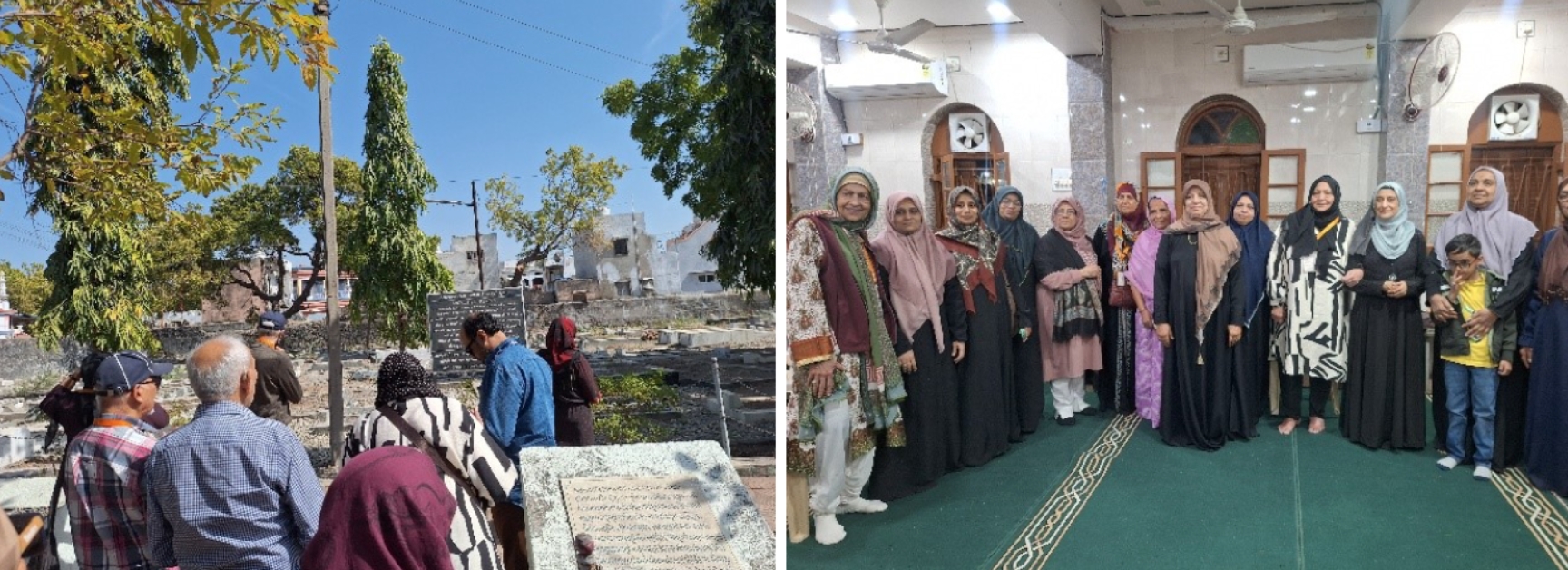
Jamnagar (23-24 January): The Jamnagar Jamaat warmly welcomed the group, where participants visited the local Kabrastan, offered prayers, and spent time interacting with members of the community.
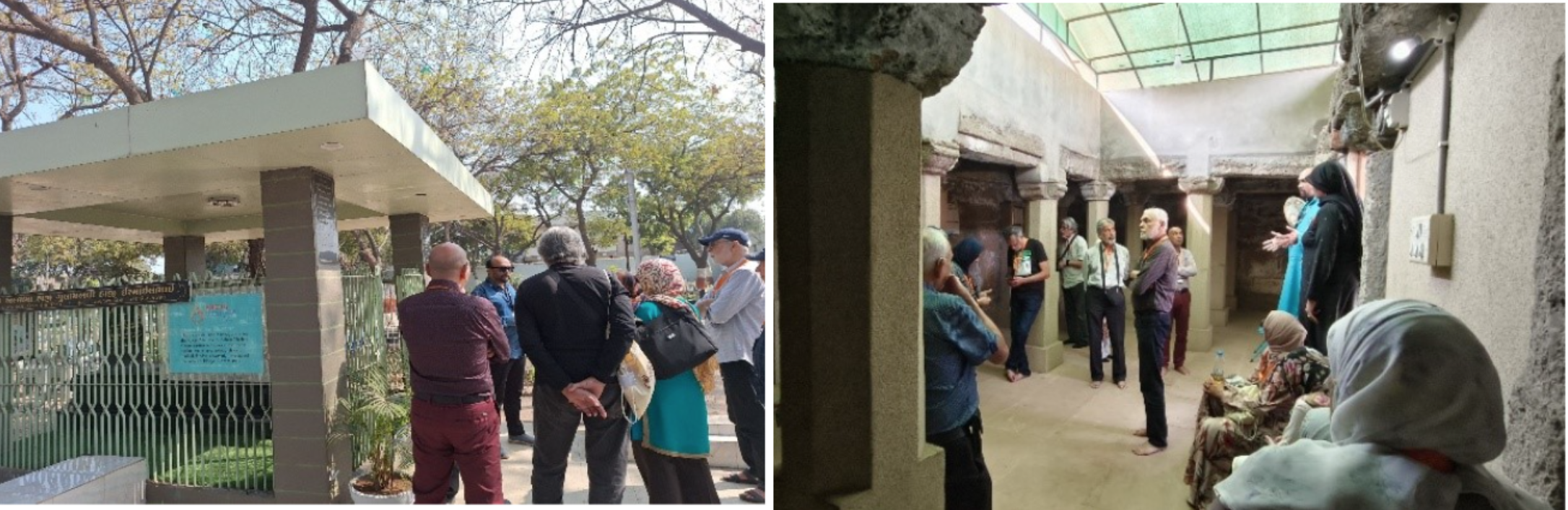
Bhavnagar (25-27 January): One of the highlights of the tour was the visit to Mahdi School on India’s Republic Day, where participants joined students for the celebrations and explored the school’s science exhibition. The group also visited the historic Ghogha Masjid and philanthropic institutions run by the Umme Kulsum Trust.
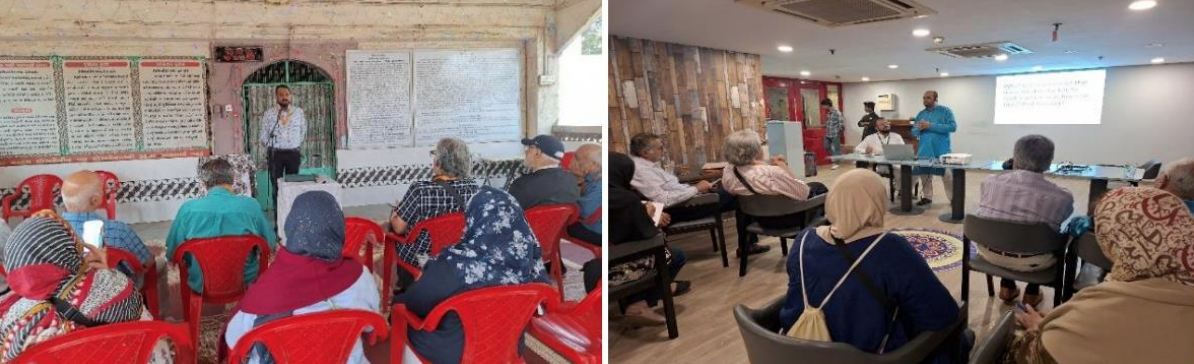
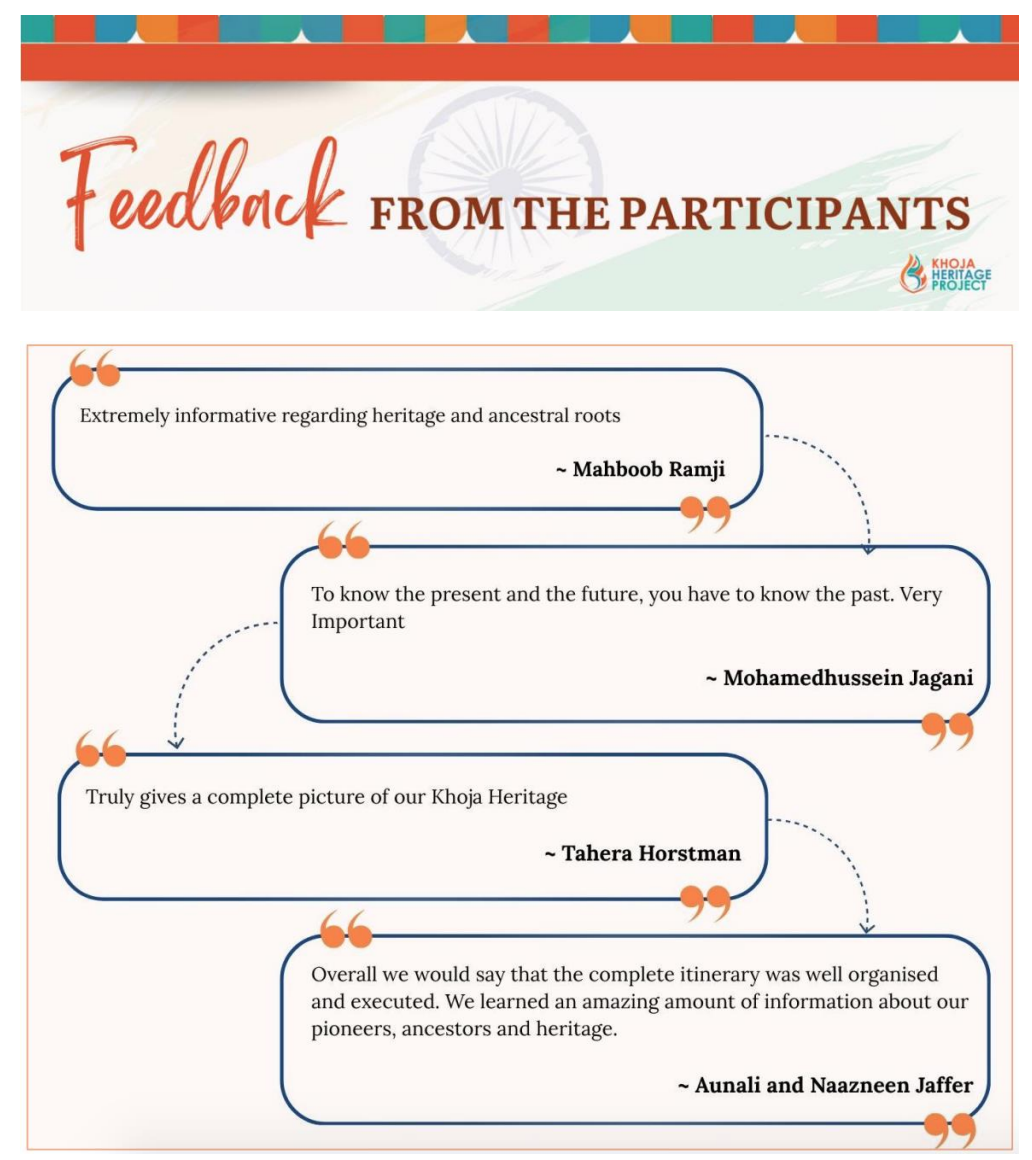
The Khoja Heritage Tour is an annual initiative under the Khoja Heritage Project. If you would like to join a future tour, please stay tuned for upcoming announcements.